Multi-Vendor

What is a Multi-Vendor Store?
A multi-vendor store acts as a platform for third-party vendors to sell their products. It’s a great way to consolidate retail offerings and make it easier for customers to find what they need. It also simplifies some aspects of the business for owners, who don’t have to oversee stocking and shipping items themselves. Think of it like opening a mall and inviting a group of vendors to operate in the individual storefronts inside.
Craft a Virtual Marketplace With the Highly Scalable Platform
Allow vendors from all over the globe sell their products through a single storefront. Reach out to our solution advisors to schedule a call
Why Choose a Multi-Vendor Approach?
Here are a few common reasons why e-Commerce owners choose a multi-vendor framework for setting up their business:

Offer many products without having to manage stocking and shipping
Storing and tracking inventory and overseeing shipments can be costly and time-consuming, and not every eCommerce owner wants to manage all those tasks in-house. Adopting a multi-vendor approach allows you to offer a wider variety of products without the logistical headaches.

Take a “curator” approach to the business
With a multi-vendor approach, owners can find and offer interesting brands and products and build their store’s brand around that reputation.

Build your store around a cause
Owners can also build their business around a cause or value—for example, items that are handmade or from women-owned companies—and focus on recruiting vendors that fit their vision.

Focus on your products
Partnering with a multi-vendor store allows vendors to focus on product creation and refinement rather than marketing and distribution. They’re also likely to gain exposure to more potential customers than they could on their own.
Challenges for Multi-Vendor Stores

Determining if the multi-vendor approach is a good fit
Certain industries are a better fit for the multi-vendor framework, including wholesale marketplaces and small-to-mid-size stores selling clothing, accessories, home goods, handmade items, etc. The approach might not work as well in other verticals, but it can be difficult to assess that before diving in.

Attracting vendors
Perhaps you’ve hand-picked the vendors you want to come on board – now how do you convince them to partner with you? Creating a setup that will attract the vendors you want can be challenging, particularly if you’re just starting out and can’t offer clear marketing advantages.

Managing business details
Once a vendor has agreed to join your marketplace, getting them onboard, uploading their product data, managing SKUs, and helping them through the learning curve of using your system all present further challenges. You’ll also need to manage overarching business details like taxes and finding the right vendor payment tools.

Managing multiple data streams
Managing all the data for multiple vendors can be tricky. For example, migrating databases when new vendors come on board, integrating apps and systems, and managing sales data and vendor payouts all present potential complications.

Building a marketing strategy
Once you decide to take or shift to a multi-vendor approach, you’ll need to build a distinctive strategy and approach to running the marketplace. There are many possible ways to do this, making it challenging to define -but your business will fare better if you start with a plan.

Monetizing your business
Part of developing a business plan is striving toward monetization. Having a multi-vendor platform is an affordable way to build an eCommerce business, allowing you to be flexible with vendor commissions and make sure that the overall business is successful along with your individual vendors.
How the Right eCommerce Platform Can Help
Finding the right platform can help you meet the challenges of opening and operating a multi-vendor store. Here’s how:
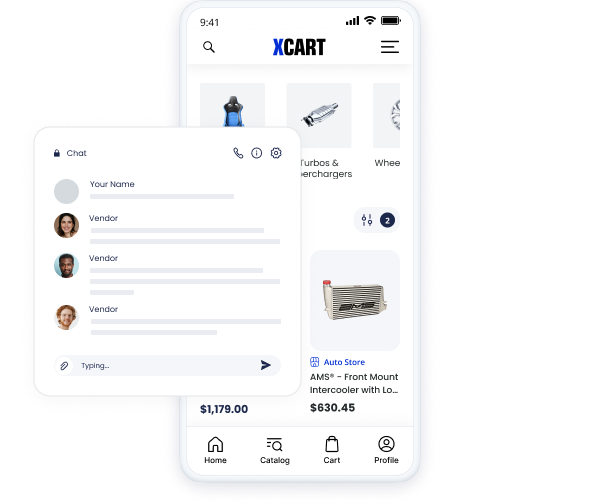
Vendor onboarding and communication
An eCommerce platform can help you get vendors on board quickly and manage ongoing communication with ease, helping to keep things simple.
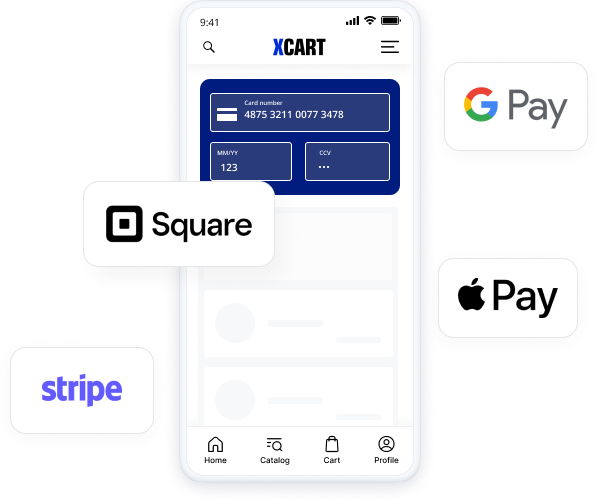
Payment integrations and vendor payouts
When you choose an eCommerce platform designed to handle multi-vendor stores, the system can streamline vendor payouts, commissions, and integrations with third-party payment systems likelike Google Pay, Apple Pay, Square, and Stripe.
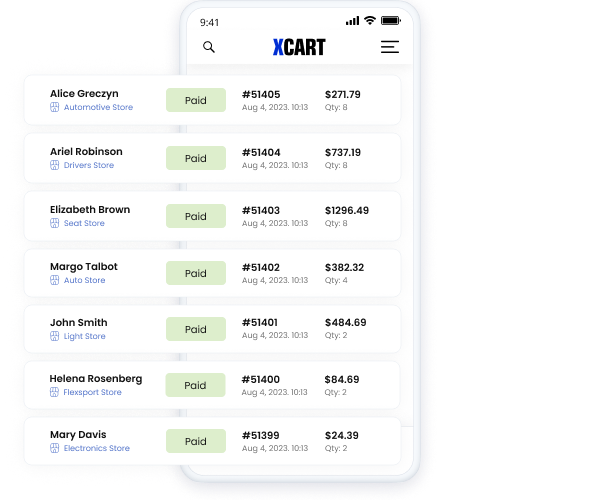
Financial management
The platform provides a central hub for financial management, making it easy to keep track of transaction data, manage tax payments, and generate reports.
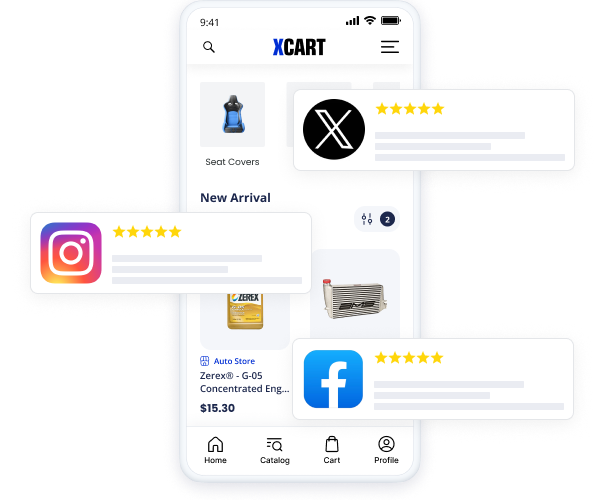
Helping attract new vendors and customers
A platform can also give you tools to promote your marketplace on multiple channels, helping to generate new interest in your store.
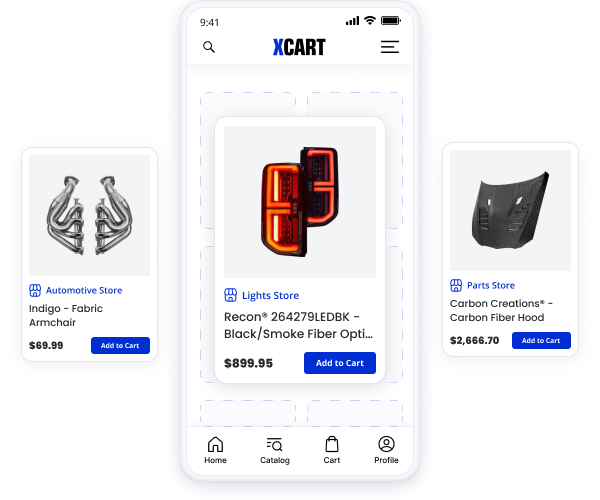
Managing product data and SKUs
For vendors and at the storewide level, managing product descriptions, photos, and SKUs can be a source of stress. A great eC-commerce platform can help make importing and management simpler.
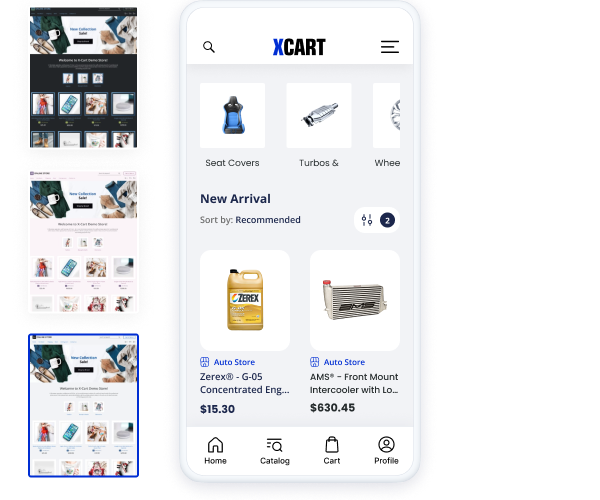
Allowing customizations
The ability to customize your management experience helps to make sure the system functions well for your store’s unique needs.


What to Ask When Selectinga New Vendor [Q&A]
When considering a platform for your multi-vendor store, it’s worth spending significant time asking questions, requesting product tours and other types of demos, and talking with other customers who use the platform. If the platform can’t provide other customers for you to talk to, that’s a warning sign.
Here are some key questions to ask when you’re talking with the provider or one of their customers:
- Does it take long to migrate from WebShop Manager to X-Cart?
It doesn’t. Migration to X-Cart won’t take more than a month, and your store will be up throughout the whole data migration process. Switching DNS records, however, takes at least a couple of hours for the changes to propagate. It’s a necessary evil. - Can I schedule a free demo?
Absolutely. You can schedule a free X-Cart demo with our solution advisors and get a definitive tour of the key features necessary for your business. This will help you get a clear picture of what our shopping cart looks like from the inside before making the decision. - Is it possible to migrate from WebShop Manager to X-Cart without putting my business on hold?
Sure! Our engineers have developed a secure 2-step replatforming process. The initial step is performed on our testing servers, so your store stays up and running throughout the entire process and keeps getting orders. After your review and confirmation, we will move the store copy to our live server and perform the final data synchronization. Your store will be closed only for the period of updating DNS records, which usually takes a few hours. - How can I migrate from WebShop Manager to X-Cart?
We offer merchants a step-by-step guide that explains how to move to X-Cart. Or trust the X-Cart migration team to move your eCommerce store on your behalf. - Will X-Cart integrate with the tools I already use?
X-Cart integrates with hundreds of eCommerce applications available at the X-Cart app store, allowing you to connect the tools you already use effortlessly. If you don’t see the required add-on in the app store, we can tailor a custom integration with the tool of your choice connected to your online store via API.
Why X-Cart?
X-Cart’s native multi-vendor functionality is designed to help online merchants easily open an online marketplace, where multiple sellers offer their products or services through a single storefront. Here’s why X-Cart is an excellent choice for multi-vendor marketplaces:


